
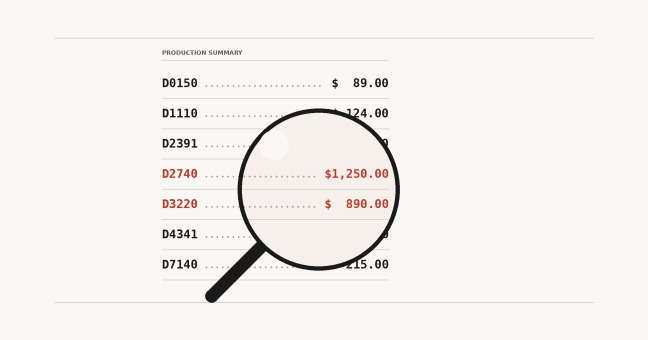
If you’ve ever looked at an insurance payment and thought that doesn’t seem right — you weren’t wrong.
You called the carrier. You sat on hold. You got an explanation that didn’t quite explain anything. You called back a few weeks later. The answers were circular. Eventually, you stopped asking.
That’s not an accident. The complexity is intentional.
I’ve been spending a lot of time with practices in the Chicagoland area on a service called PPO Profits, and the more I learn about how the system actually works, the clearer it gets — dental insurance was never designed to be transparent. It was designed so that the moment you give up, the meter keeps running in their favor.
Where this work came from
PPO Profits exists because someone decided to stop accepting that. A doctor’s family member sat through the hours-long hold times, pushed past the scripted answers, and spent years unraveling exactly why those payments kept coming in lower than they should.
What they found is something most practices never see.
The hidden web nobody shows you
When you sign with an insurance company — whether directly, through a shared network, or under a lease umbrella — that one agreement can quietly connect your practice to multiple other companies. Each one with the right to pay you from a lower fee schedule. Without your knowledge. Without your consent.
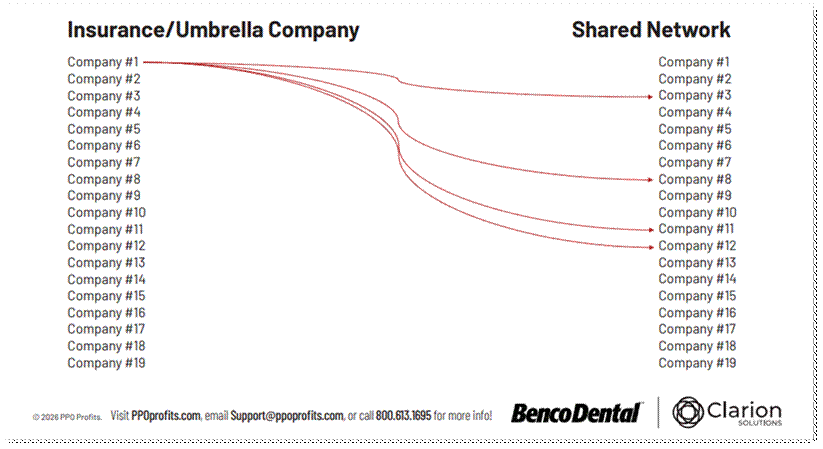
Now add in every other carrier you participate with, and the picture compounds fast: a layered web of overlapping network connections, each one chipping away at what you should have been paid.
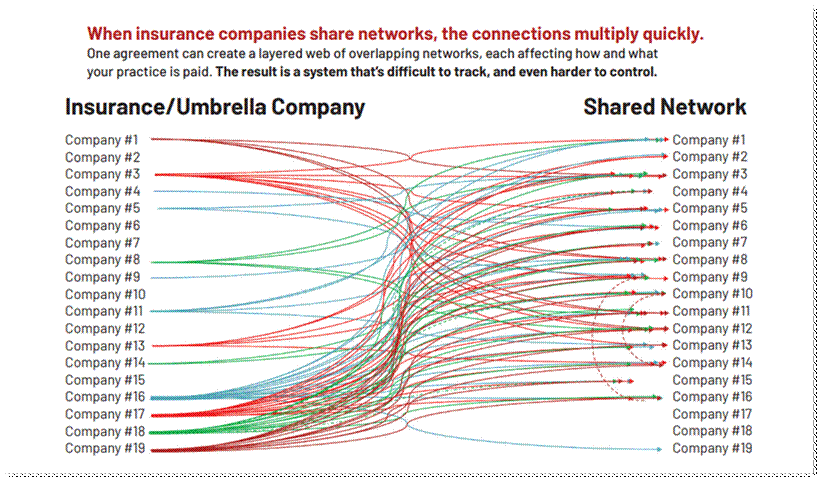
That’s where the unexplained reductions come from. And it’s nearly impossible to see from inside the practice — because it was never meant to be seen from inside the practice.
It’s not negotiation. It’s realignment.
Here’s what makes this work different from anything else I’ve seen.
PPO Profits does the work most practices will never do on their own. They trace every hidden network connection. They cut the ties pulling your fees down. And they match each carrier to the highest-paying fee schedule available for your market.
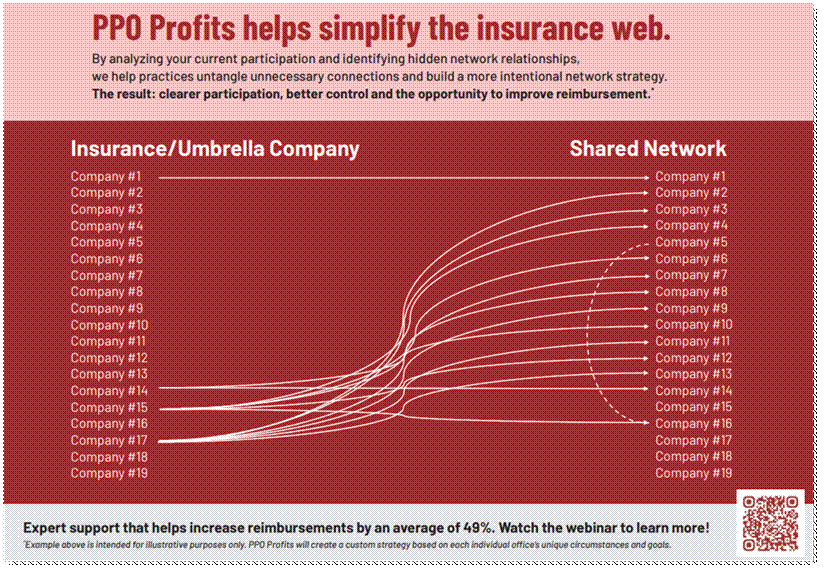
The result isn’t negotiation. It’s a realignment — making sure every insurer is paying you what they’re already capable of paying.
That distinction matters. You’re not asking carriers for a favor. You’re not making a case for a raise. You’re correcting a misalignment that the system itself created — and most of the time, the higher fee schedule was already sitting there, waiting.
What that actually looks like in numbers
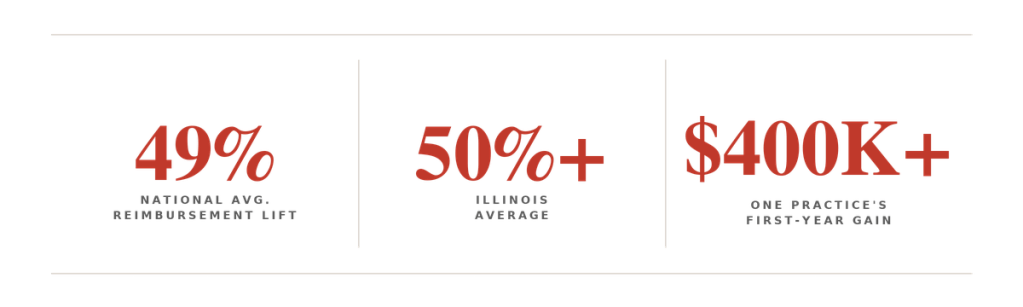
One practice I know went from $33,000 a month to $68,000 a month. That’s over $400,000 more in a single year — same patients, same procedures, same chairs. Every prophy, every crown, every exam instantly became more profitable.
No new patients. No new marketing. No new operatory.
Just better fees on the work they were already doing.
If something has felt off, trust that
The dentists I talk to don’t usually walk in angry about this. The first reaction is almost always disbelief — not that the system works this way, but that nobody had ever explained it to them.
If your reimbursements have ever felt slightly off — if you’ve ever stared at an EOB and felt like the math didn’t quite add up — there’s a real chance you’re seeing the edge of something much bigger underneath.
You weren’t wrong. You just couldn’t see it from where you were standing.
That’s exactly what PPO Profits is for.
Jason D. Dempsey
5% Dental Supply Guy

